Advert

Showing posts with label TVS. Show all posts

Thursday, March 28, 2019

YAMAHA MT-15 VS TVS APACHE RTR 200 4V – SPECS AND PERFORMANCE COMPARISON

CHECK OUT THE SPECIFICATION AND PERFORMANCE COMPARISION BETWEEN THE NEWLY LAUNCHED YAMAHA MT-15 AND TVS APACHE RTR 200 4V. 

Yamaha has finally launched the much awaited MT-15 naked streetfighter in India. At a price of Rs 1.36 Lakhs (ex-showroom), it goes against the likes of TVS Apache RTR 200 4V, KTM Duke 125 and Bajaj Pulsar NS200. 
MT-15 is basically the naked version of the R15 V3. Both use the same engine, chassis, suspension and braking parts. However, while the R15 V3 is a sportsbike with a dedicated riding position, the MT-15 offers a better relaxed riding posture. 
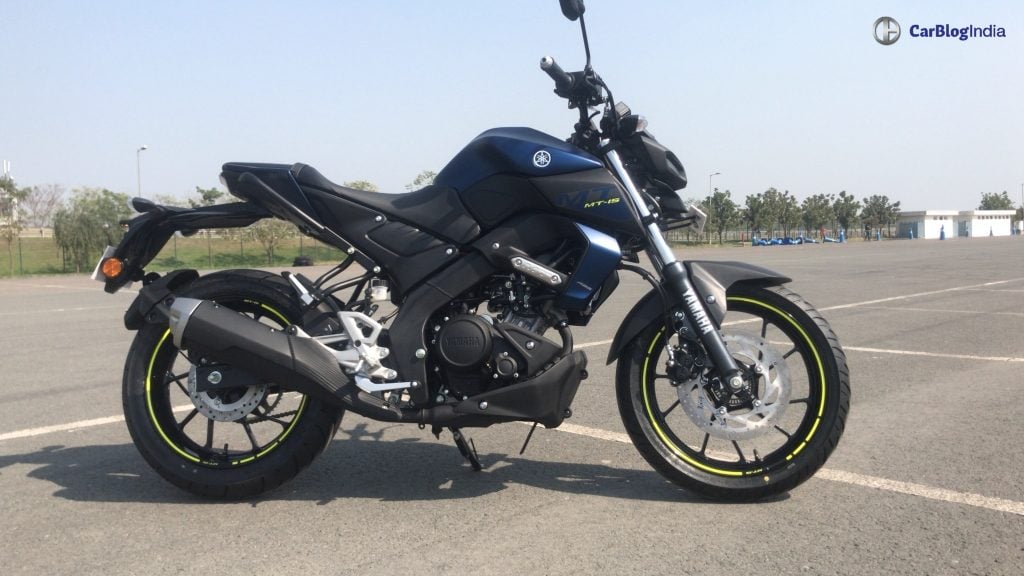

We have finally ridden the newly launched bike at the Buddh International Circuit. Check out the first ride review and the quick walkaround video too. 
Also Read: 

So, here, we pit the Yamaha MT-15 against TVS Apache RTR 200 4V. There is not much price difference between both the bikes, but the Apache offers a bigger capacity engine. However, MT-15 is the most capable 150cc bike, which actually tackles on 200cc bikes. 
Since we rode the Apache RTR 200 earlier this week, we have compared both the bikes on basis of their performance too. The bike was not present with us at the time of the launch. 

YAMAHA MT-15 VS TVS APACHE RTR 200 4V – PRICES


MT-15
Apache RTR 200 4V
Price (ex-showroom)
Rs 1.36 Lakhs
Rs 97,000 to Rs 1.11 Lakhs
Yamaha has launched its naked streetfighter at Rs 1.36 Lakhs, cheaper than the R15 V3 by only Rs 3000. Apache on the other hand, is Rs 25,000 cheaper. What would you prefer a cheaper 200cc motorcycle or the legendary Yamaha performance 150cc bike? Read ahead to know! 

YAMAHA MT-15 VS TVS APACHE RTR 200 4V – ENGINE SPECIFICATION


MT-15
Apache RTR 200 4V
Engine
155cc liquid-cooled DOHC
197cc oil-cooled SOHC
Power
19.1 BHP
21 BHP
Torque
14.8 Nm
18.5 Nm
Transmission
6-speed
5-speed
MT-15 gets a 155cc liquid-cooled DOHC engine with the VVA system and Fuel Injection. The motor is tuned to deliver 19.1 BHP and 14.8 Nm of peak torque, coming mated to a 6-speed gearbox. 
Apache uses a 197cc oil-cooled SOHC engine that produces 21 BHP and 18.5 Nm of peak torque. The engine comes mated to a 5-speed gearbox with AR-T slipper clutch. 
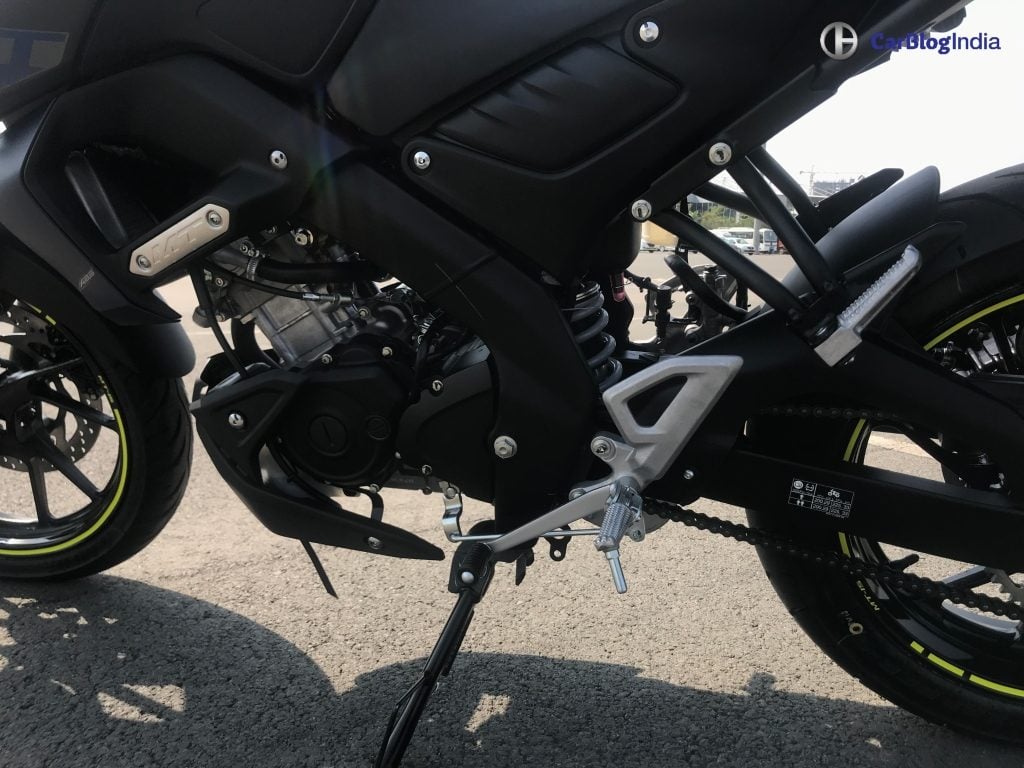

Comparing, the power figures are nearly same. However, Apache being a bigger capacity engine will be more refined and comfortable at higher speeds. The presence of a 6th gear in MT-15 will let it allow to cruise at triple-digit speeds. 

YAMAHA MT-15 VS TVS APACHE RTR 200 4V – MILEAGE AND ACCELERATION


MT-15
Apache RTR 200 4V
Fuel Tank Capacity
10 Litres
12 Litres
Mileage (claimed)
45 kmpl
40 kmpl
Riding Range
450-500 kms
420 kms
Top-Speed
131 km/hr
128 km/hr (FI)

MT-15 gets a fuel tank capacity of 10 litres. Considering the same engine from R15 V3, it shoud deliver an average of 50 kmpl, offering a riding range of over 450 kms. The claimed top speed stands at 131 km/hr. 
Apache gets a bigger 12 Litre fuel tank capacity, but with a lesser recorded mileage of 40 kmpl. During our review, we managed to extract nearly 420 kms on the full tank. The top speed achievable on this bike stands at 128 km/hr. 

YAMAHA MT-15 VS TVS APACHE RTR 200 4V – FEATURES

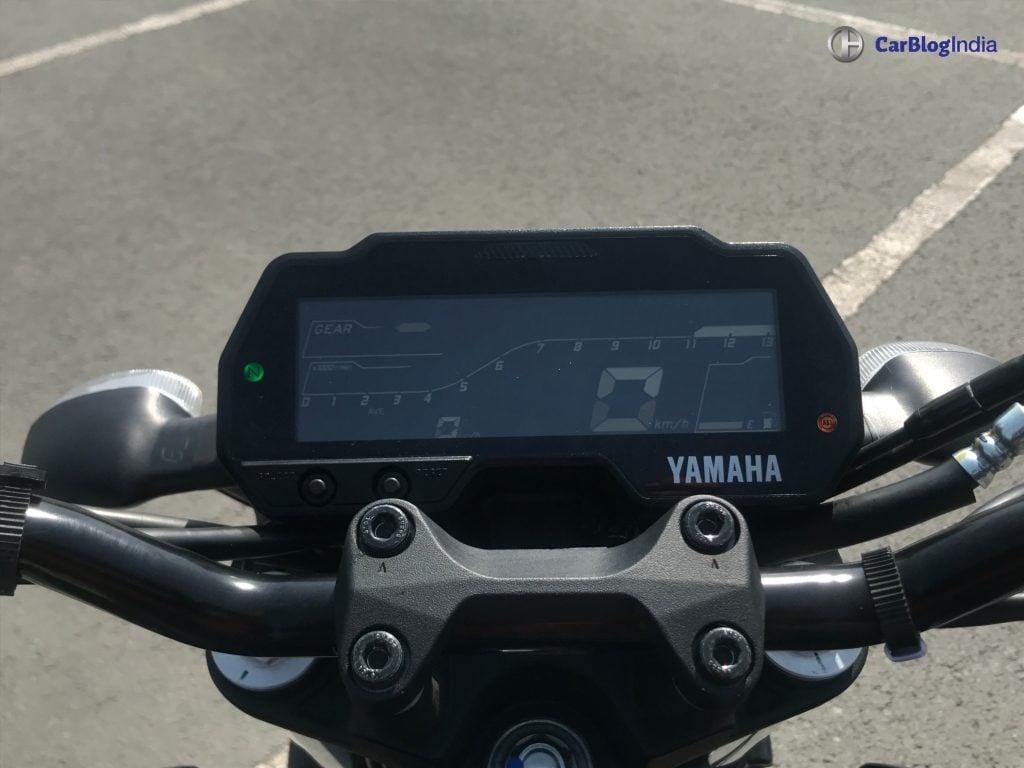
MT-15 gets the same feature list that comes on the R15 V3. Following are the features: 
  1. Fully Digital Instrument Cluster
  2. Dual-channel ABS
  3. LED headlamps
  4. LED tail light
  5. Slip and Assist Clutch
  6. Single Step-up Seats 
  7. Fuel Injection
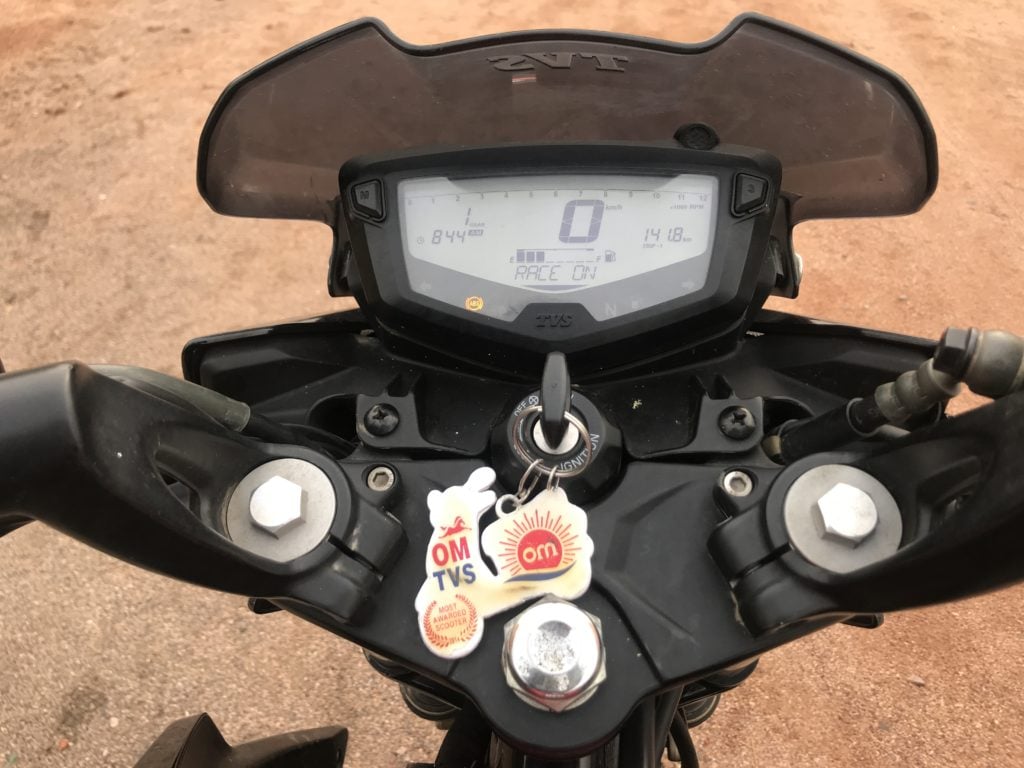
TVS as usual, has adequately equipped the Apache RTR 200 4V. Check out the features: 
  1. ART Slipper Clutch
  2. Electronic Fuel Injection
  3. LED DRLs
  4. Fully Digital Instrument Console
  5. Race-Spec Split Seat
  6. Dual-Channel ABS with RLP


YAMAHA MT-15 VS TVS APACHE RTR 200 4V – DIMENSIONS


MT-15
Apache RTR 200 4V
Length
1965mm
2050mm
Width
800mm
790mm
Height
1065mm
1105mm
Ground Clearance
155mm
180mm
Wheelbase
1335mm
1353mm
Weight
133 kgs
149 kgs
Seat Height
810mm
800mm
The Yamaha bike is 1965mm long, 800mm wide and 1065mm tall. The ground clearance stands at 155 kms, while the wheelbase is 1335mm. The kerb weight of the bike is 133 kgs. 
Apache RTR 200 is 2050mm in length, 790mm in width and 1105mm in height. It gets a ground clearance of 180mm and a wheelbase of 1353mm. It is heavier at 149 kgs. 

YAMAHA MT-15 VS TVS APACHE RTR 200 4V – SUSPENSION AND BRAKES


MT-15
Apache RTR 200 4V
Front Suspension
Telescopic Forks
KYB telescopic forks
Rear Suspension
Aluminium Swingarm with a rear monoshock
Monoshock
Brakes
Front and Rear Disc with single-ABS
Front and Rear Disc with Dual-ABS

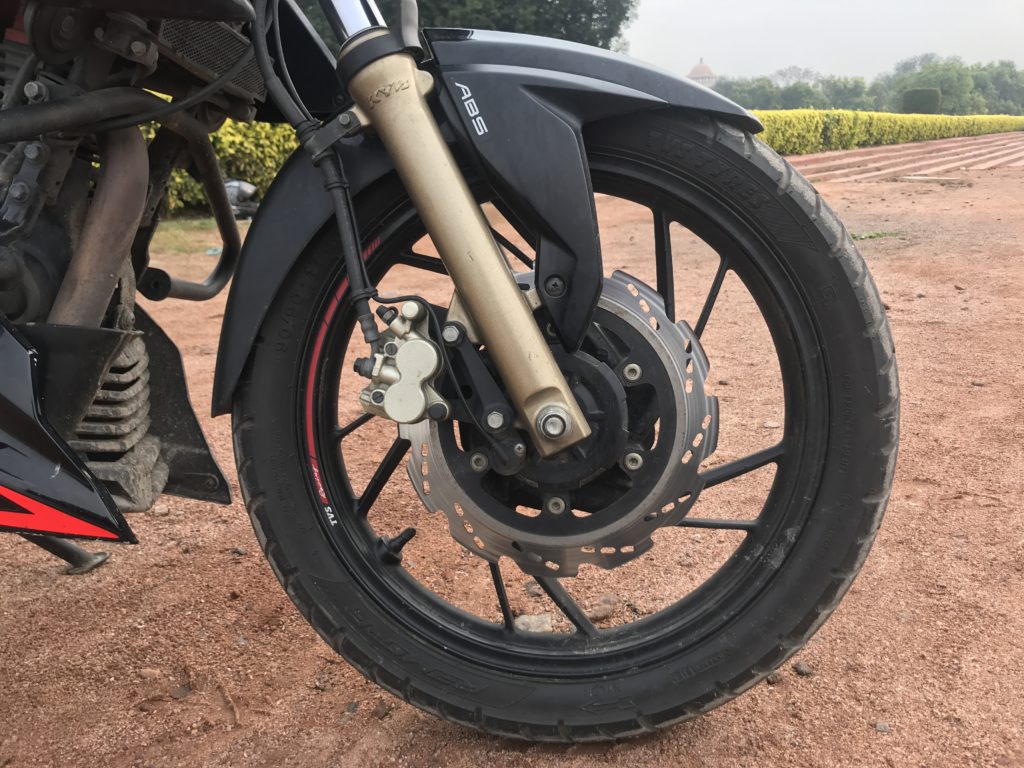
Telescopic forks at the front and an aluminium swingarm with rear monoshock handle the suspension on MT-15. For braking, both the bikes use Front and Rear Disc brakes with dual-channel ABS. 

RTR 200 4V gets premium KYB telescopic forks and a rear monoshock absorber. The braking setup remains the same. 

YAMAHA MT-15 VS TVS APACHE RTR 200 4V – DESIGN

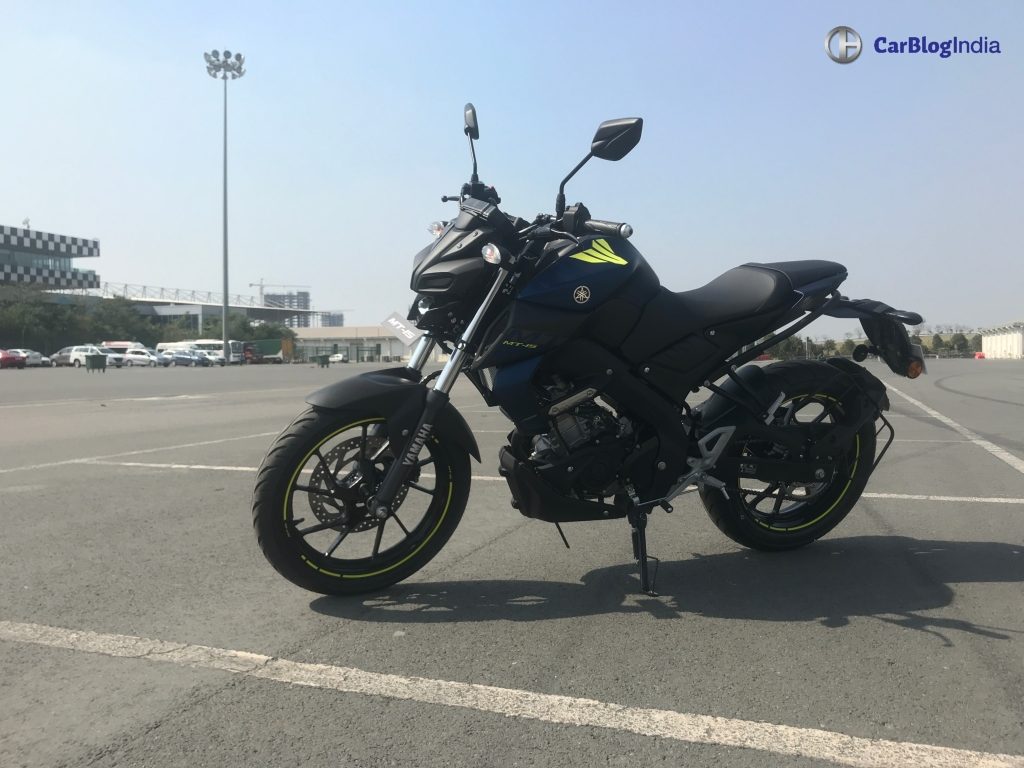
MT-15 takes heavy inspiration from the elder MT siblings, like the MT-09. The typical naked streetfighter looks are perfectly inherited. The sharp creases and the heavy tank extensions are catchy for the eyes. 
At the front, it gets its trademark Bug-shaped LED headlamps. The headlamps give it the name – The Dark Warrior. The alloy wheels and the exhaust muffler are borrowed from R15 V3, as they are different from the international-spec. 
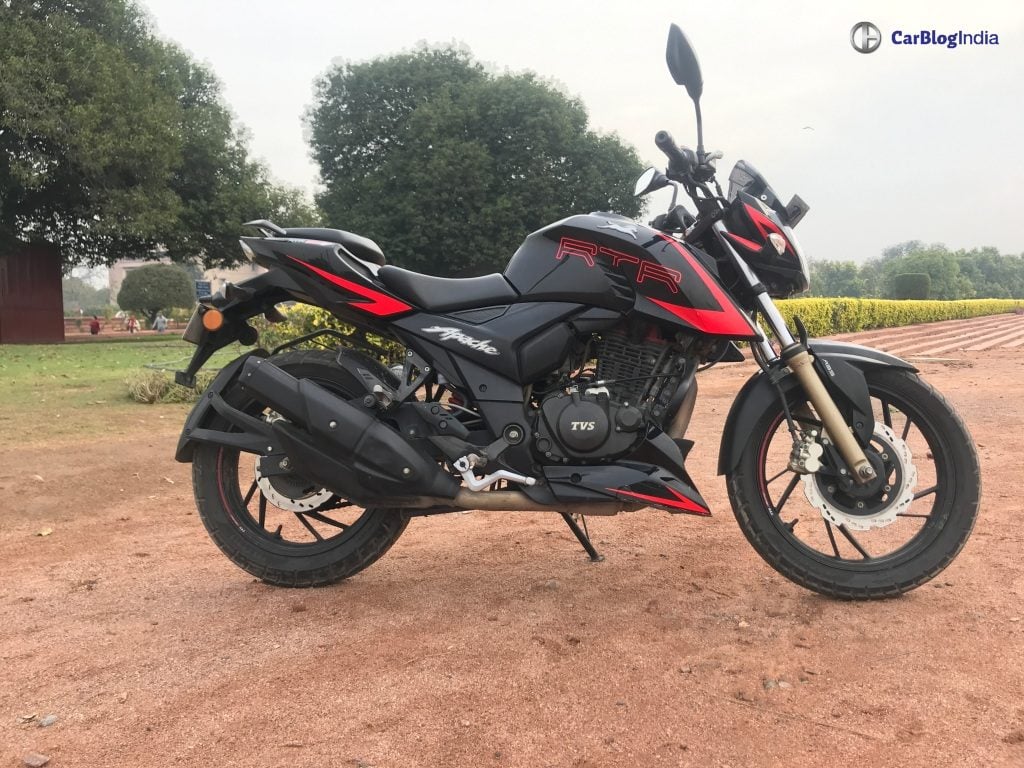
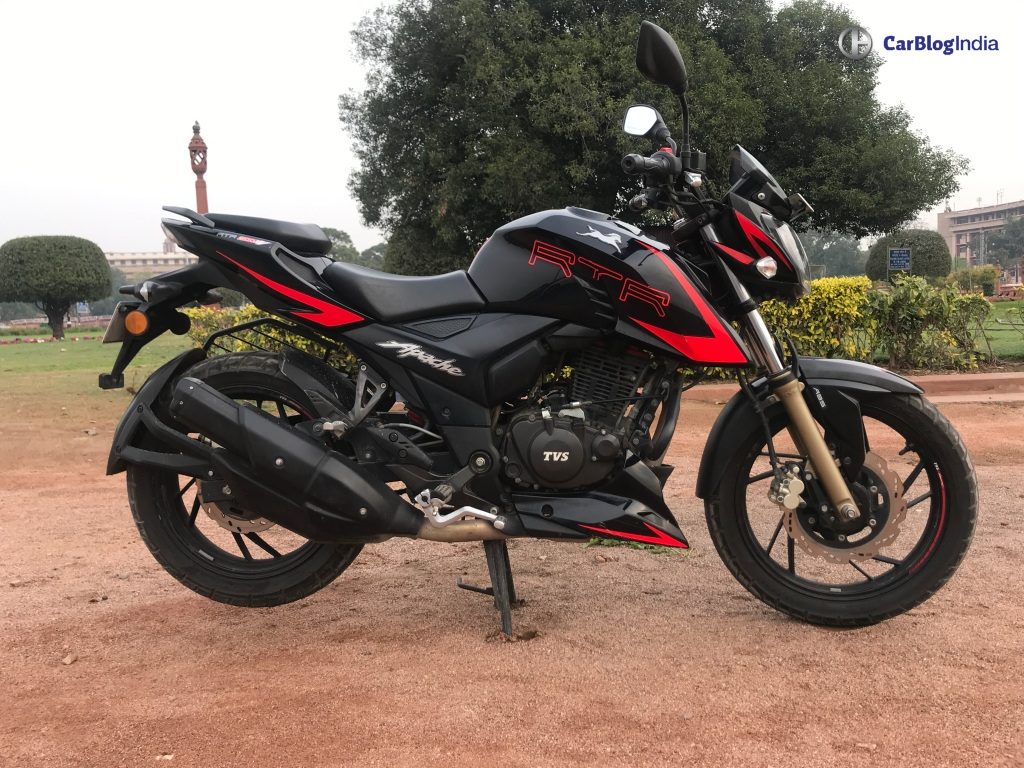
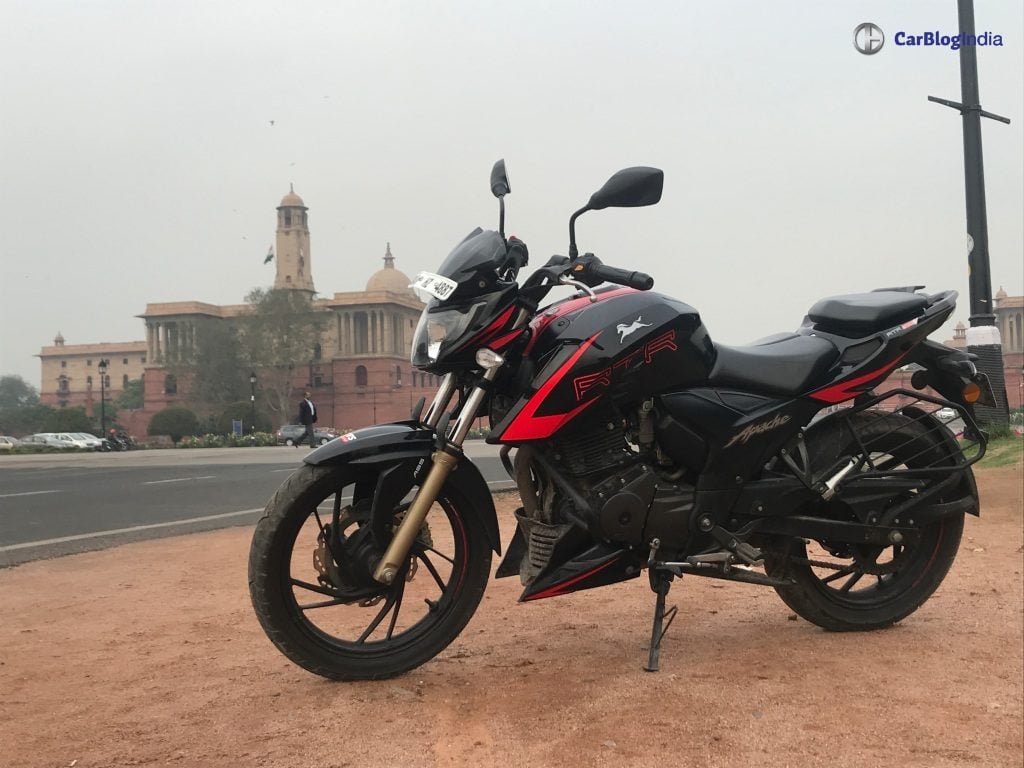
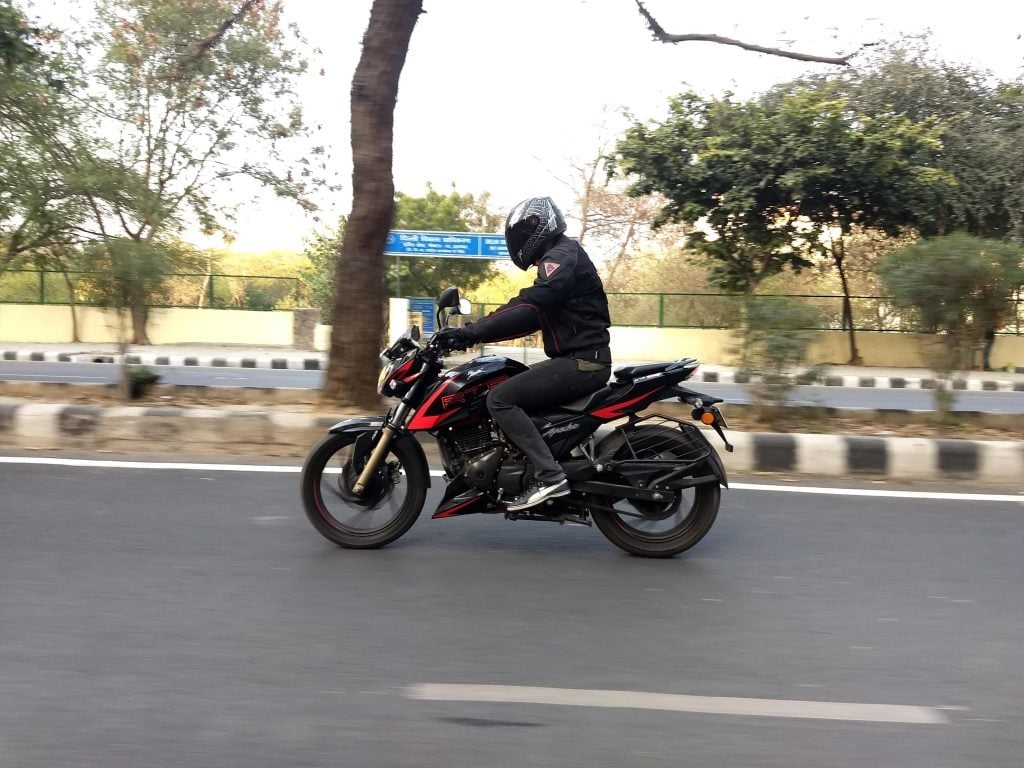
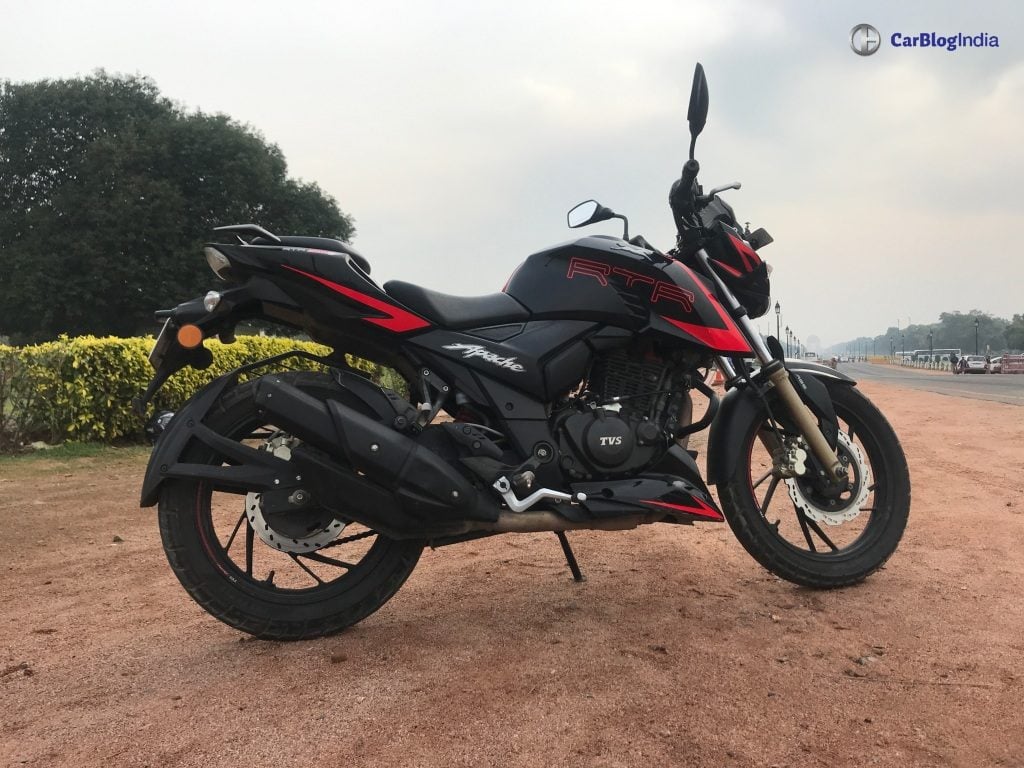
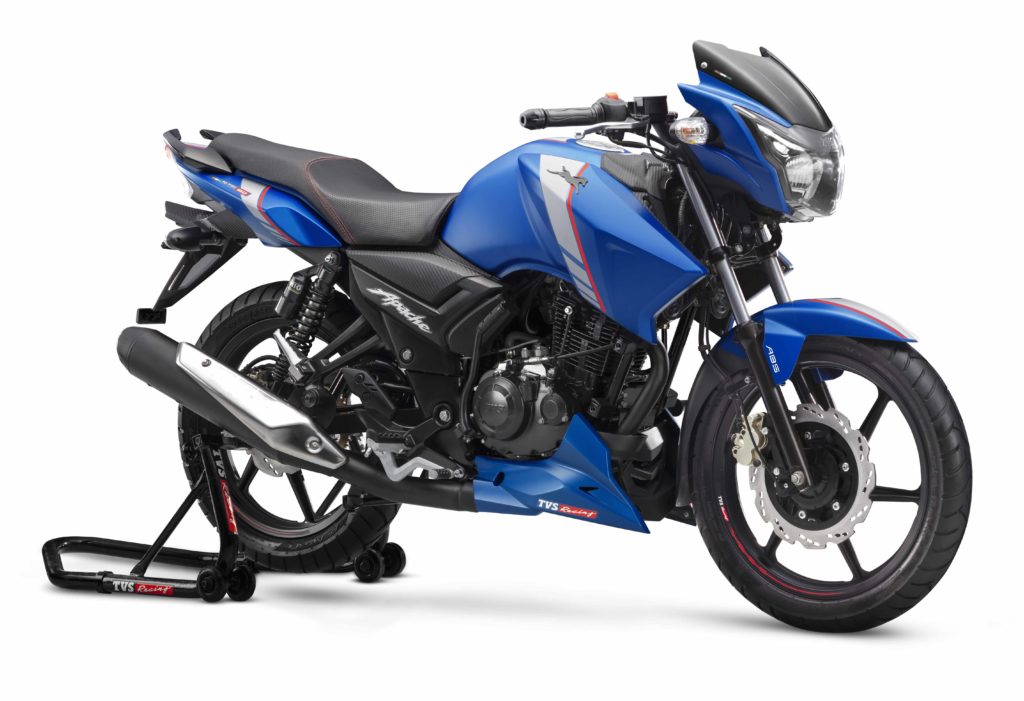
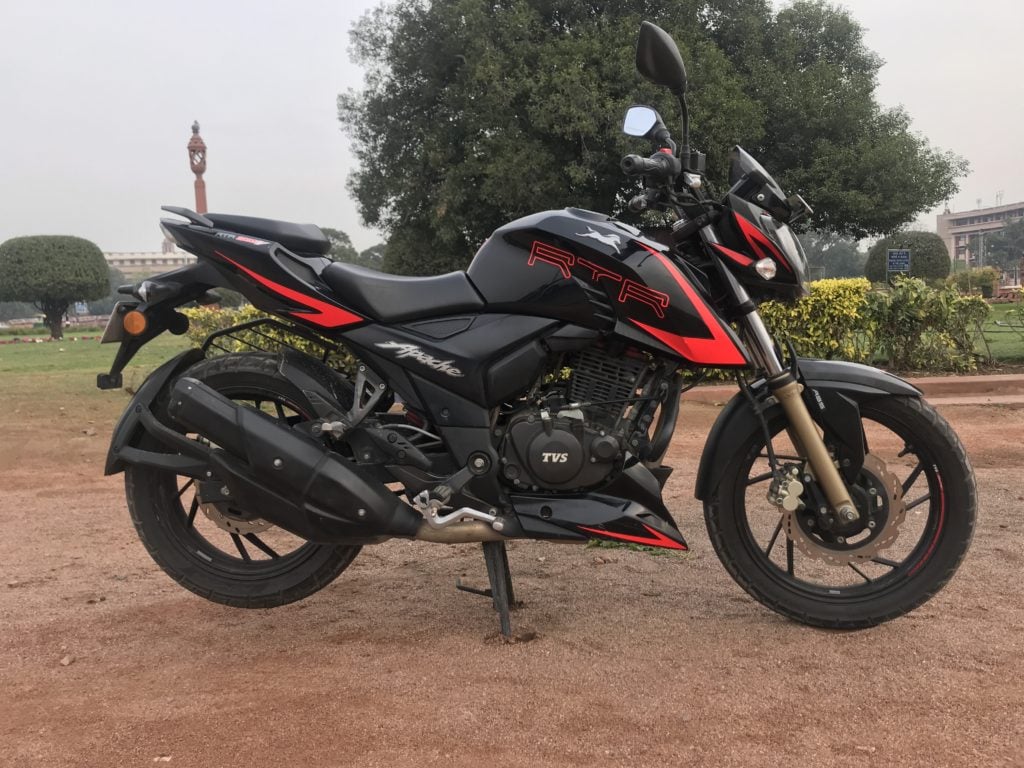
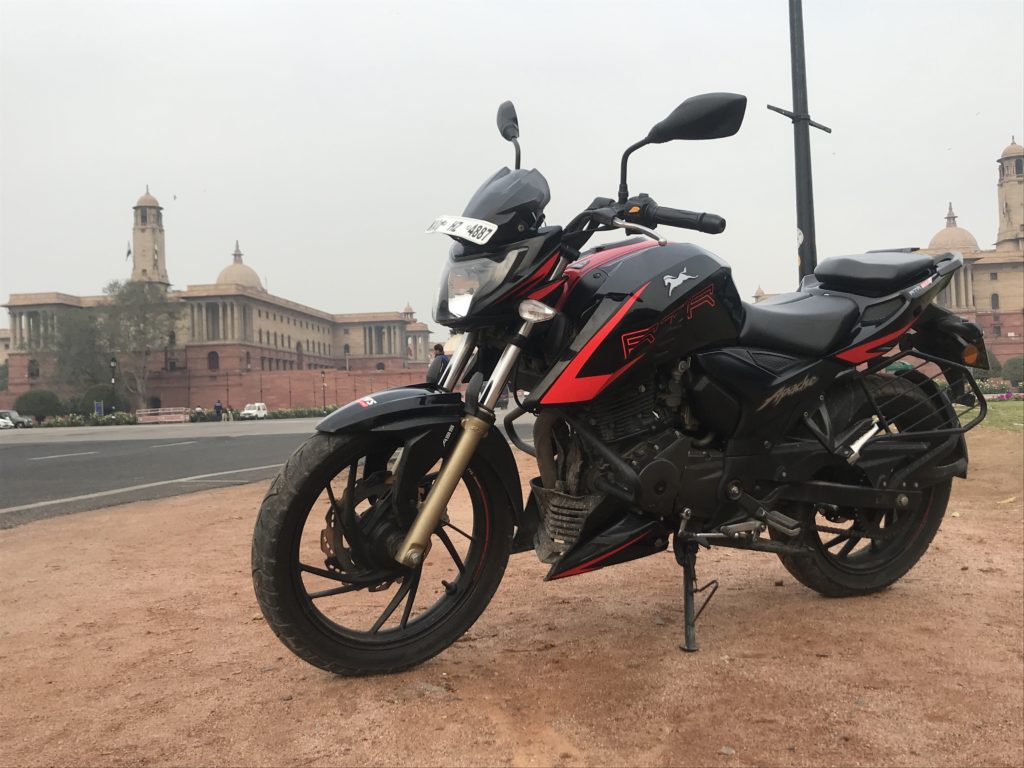
TVS Apache RTR 200 4V on the other side is a fresh design and not inspired by another TVS bike. Unlike the mature styling of MT-15, Apache looks funky and more stylish. 

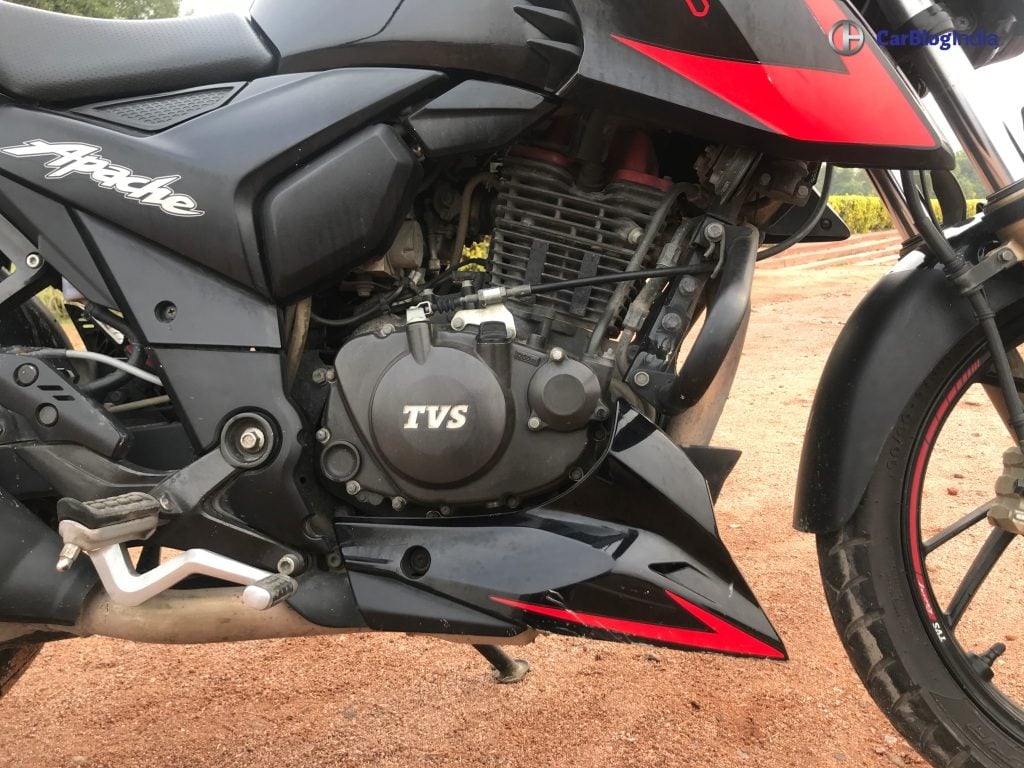
The overall design between both the bikes is not much different, as both are naked streetfighters. Apache gets sculpted headlamps with DRLs with a small visor atop, an engine cowl, double barrel exhaust muffler and the race-derived split seats. 
Overall, both the bikes look sport and style fused together. It’sjust that MT-15 is a bit mature and Apache is a bit loud and funky. 

YAMAHA MT-15 VS TVS APACHE RTR 200 4V – PERFORMANCE

Comparing both the bikes, we felt the MT-15 to be a more energetic bike. The shorter gears and the super quick acceleration is much applauded. It’s not like RTR 200 isn’t swift, just that the Yamaha motorcycle is a bit better. 

On the highways, Apache has an advantage of being a bigger capacity motorcycle. At triple speeds, Apache is more comfortable, without any stress. However, the MT-15 records a higher top speed of nearly 131 km/hr. 
Summing up, both are perfect bikes for the daily city commuting as well as a quick speed run on the stretches. 

TVS APACHE RTR 200 4V CARBURETTOR ROAD TEST REVIEW – IS IT THE BEST IN ITS SEGMENT?

CHECK OUT THE DETAILED REVIEW OF THE APACHE RTR 200 4V AS WE PUT IT THROUGH OUR DAILY ROUTINE. FIND OUT IF IT IS MORE INCLINE TOWARDS PERFORMANCE OR THE CITY TRAVELLING. 
TVS Apache RTR 200 4V. Sportiest of the lot. I had a ‘This is the chosen one’ feeling with the RTR 200. I had a thing for Apaches since I developed an interest in bikes. That would be when I was in 7th standard, around 2010. By that time, the second generation of Apache 160 had been launched. 
Over the years, TVS has made its most of the two-wheelers more premium than the competitors, at a stiff pricing range. Apache 200, 160, RR310 and Ntorq are prime examples of that. 
We are late for the Apache RTR 200 4V, but still, we thought of putting it through the daily 80 km heavy traffic commute and some chilly mornings. So, here is our road test review of the bike, where we test its performance, acceleration, ride handling and dependability. 

HOW DOES IT LOOK?

The new Apache 4V series has grown much more premium and sportier than the earlier set of Apaches. The naked street bike styling looks a change from the half-sporty styling of the RTR 180 and 160. 
Personally, I find the Apache RTR 200 4V to be more aggressive looking than the 160 4V. The sharp creases with a chiselled body instantly attracted me. At the same time, the odd-looking visor atop the headlamp feels a bit out of the place. 
My preference is a simple body design with no loud graphics or decals, just the right amount. That’s what is seen here exactly. The tank extensions and the engine cowl work with its sporty behaviour. 
The split seats get faux air vents on either side, which is a cheeky attempt to make it look premium. Also, to the young riders out there, please go without the saree guard. It looks a bit outdated.  

PERFORMANCE, ACCELERATION AND TOP SPEED

TVS Apache RTR 200 4V uses a 199.5cc oil-cooled carburettor engine, that chugs out 20.05 BHP at 8500 RPM and a peak torque of 18.1 Nm at 7500 RPM. We got the carb engine, which is more performance oriented than the FI version. 
RTR 200 is quick on its toes and actually gives a pretty amazing jumpstart. Starting off at 3000 RPM, you get a sudden gush of torque filling in, till 7000 RPM. This is aided by the shorter 1st gear. As a result, the claimed 0-60 km/hr dash stands at 3.95 seconds flat. 
However, once you cross the 7000 RPM, it feels like the engine is losing its breath. The acceleration post 7000 RPM takes a fair bit of time. The torque has been focused on the low-end as well as the mid-level. 
Just till the breath-losing limit, it remains stress-free and quite refined. We would say that its daily cruising speed would be the best near 100 km/hr. Post that, it loses its juice. This says that its best suited for city riding and the often long stretches. Top speed achievable on the bike is 117 km/hr. 
The 2018 RTR 200 gets A-RT slipper clutch, which makes downshifting very easy. You can easily down multiple gears and there would be no engine braking. Riding in daily traffic would be an easy chore over here. 
Unfortunately, the 5-speed gearbox makes you wanna itch for another gear. The longer 5th gear manages to push it through its top speed, but an additional gear would be appreciated. Still, the work is perfectly done here. 

HOW FUEL EFFICIENT IS IT?

Apache RTR 200 4V returned better fuel economy in the city riding, nearly 46 kmpl. On the highways, we were able to doll out 42 kmpl, which makes it quite efficient. I am getting a feeling over here that if TVS has made it bike for performance or for daily commuting. 
Anyhow, with a fuel tank capacity of 12.5 Litres, it was able to offer a riding range of over 500 kilometres. 

HANDLING

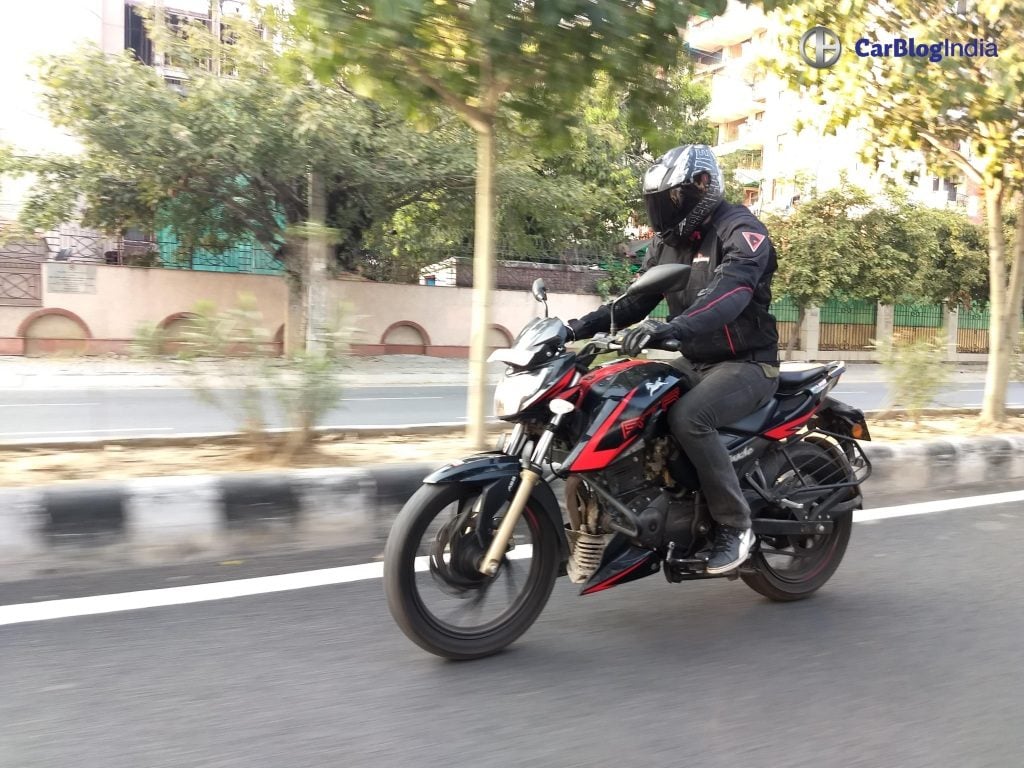
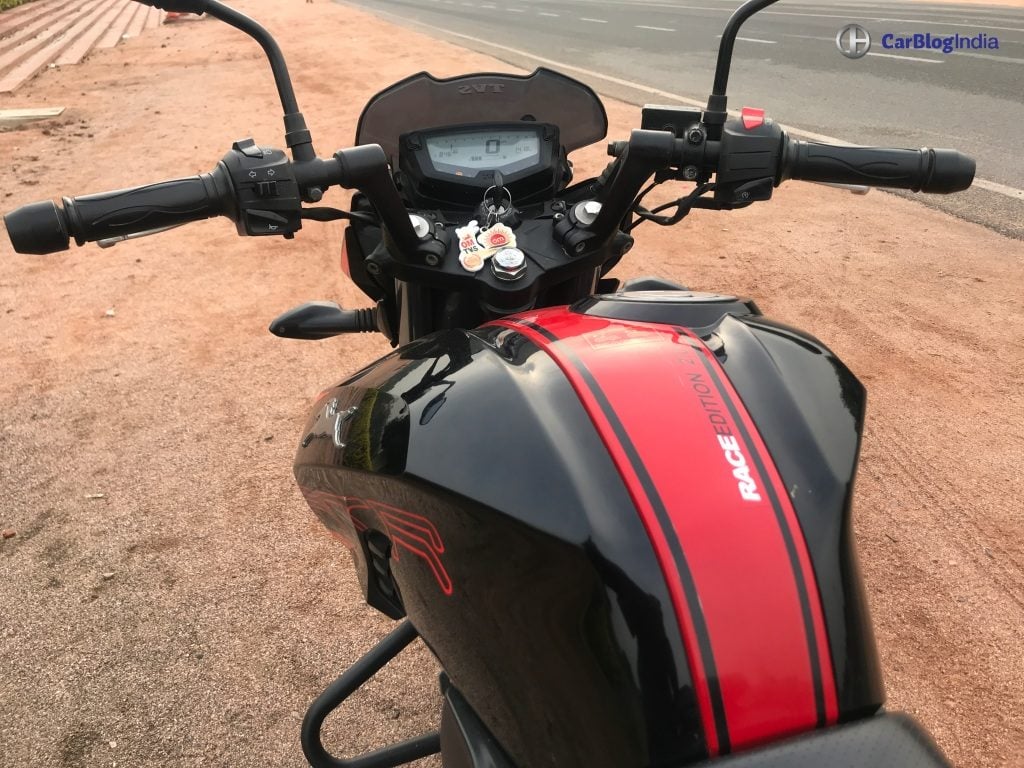
The handling on the RTR 200 4V is balanced – commuter friendly as well as performance riding friendly. The footpegs are set high as well as forward, for both the words. The high-placed clip-on handlebar provides a very relaxed riding position. The handlebars are easy to reach, which account for another commuter aimed feature. 
The sharp front portion of the bike helps in cornering too soon. But, its short wheelbase might create a bit of a problem in the perfect corner. Otherwise, it is quite nimble to handle and can be easily glided through the traffic. Plus the riding posture makes it even easier. 
TVS has equipped the RTR 200 4V with Remora Racing tires, which are decent for normal road conditions. If a slippery surface or wet roads comes, do not corner it if you don’t have confidence. 

COMFORT

For suspension, the Apache RTR 200 4V uses KYB telescopic forks at the front and 5-step adjustable rear monoshock, with both the ends set to the softer side. Actually too soft. Normal damaged roads are fine, but slightly bigger potholes are not its thing. 
Also, the split seats are too cushioned which fatigues the rider as well as the pillion during long rides. The pillion seat is decent for an average sized adult. 

BRAKING

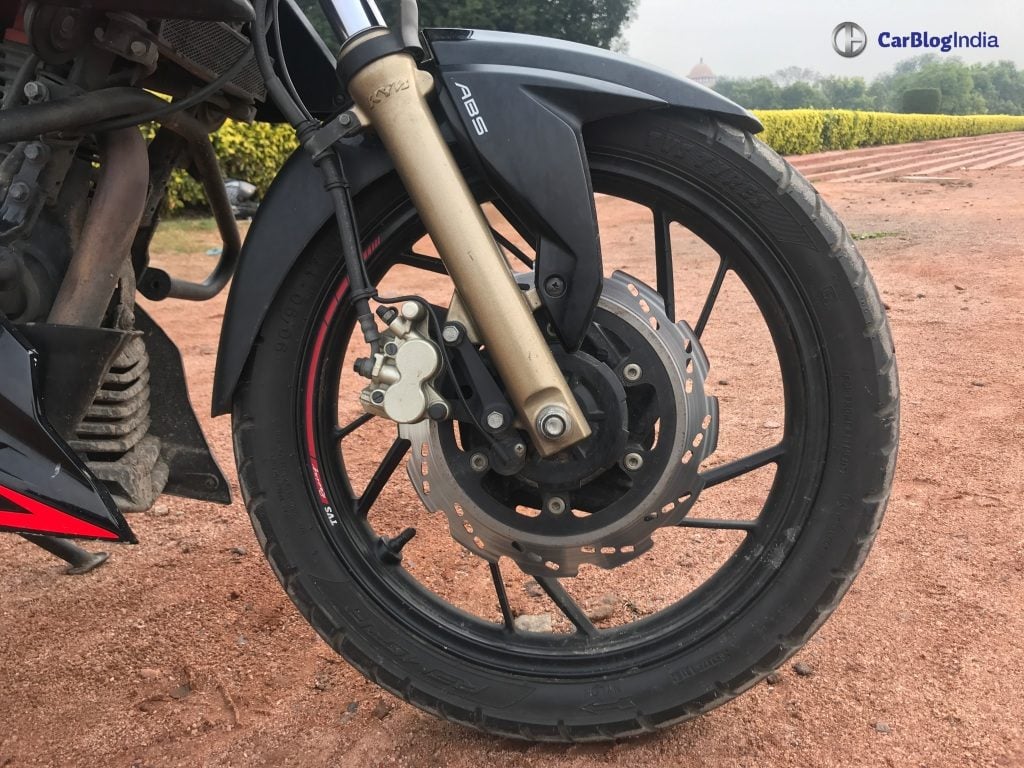
RTR 200 4V uses a 270mm disc at the front and a 240mm disc at the back, paired with dual-ABS support. The ABS is progressive and keeps your confidence during emergency braking intact. The bite of the brakes is decent, but still, not right-on! At the slightest press of the lever, the bite seems good, but not when the lever is pressed hard. 

FEATURES

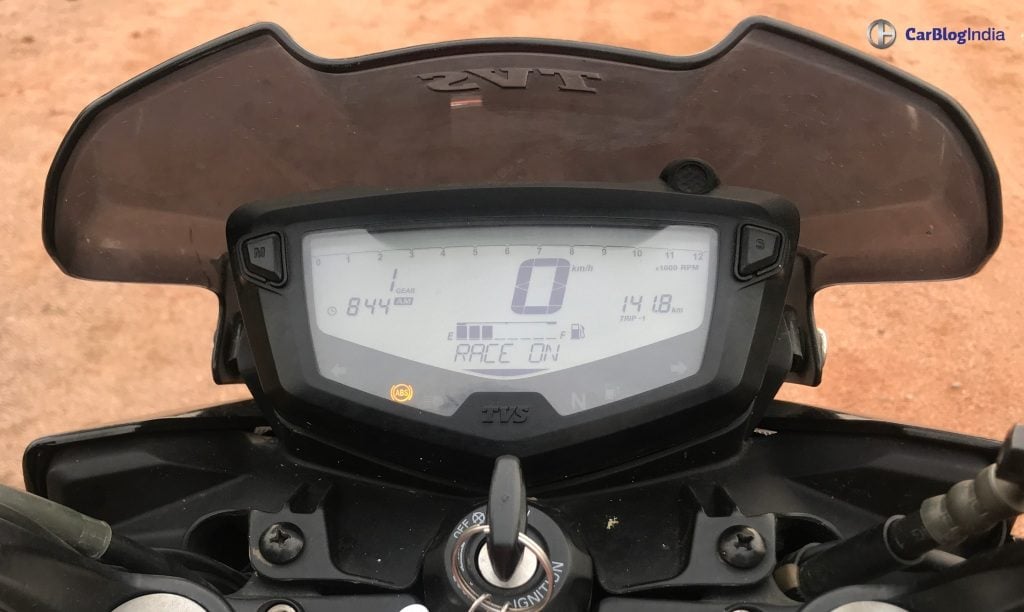
TVS has equipped the Apache RTR 200 4V with a fully digital instrument console, an engine cowl, split seats, LED DRLs, dual-ABS and a small visor atop the headlamp. The console gives decent information, including average speed, top speed, time, trip meter, odometer, gear position indicator and a lap timer. 

SO IS IT WORTHY ENOUGH?

Apache RTR 200 4V goes against the likes of Bajaj Pulsar NS200 and Hero Xtreme 200R. In terms of engine specifications, against the Duke 200 too. Amongst the earlier two rivals, I found it to be the best in performance. Of course, the Duke is the even better in performance. 
I always try to focus on the daily life running of any bike regardless of its engine capacity and type. RTR 200 fulfilled my daily travelling needs and I can actually see of owning it for my commute. But I wanted it to be even more performance focused in certain areas like the suspension and the seating arrangement. 
Nevertheless, at an asking price of Rs 1.11 Lakhs for the top-end variant, it is a very good buy. You get good mileage, premium styling and a capable 200cc engine. But a stiffer suspension, an additional 6th gear and slightly dedicated riding position would have made it a better track-ready machine. 

TVS APACHE RTR SERIES OFFICIALLY UPDATED WITH ABS – NEW PRICE LIST

TVS APACHE RTR SERIES OFFICIALLY UPDATED WITH ABS – NEW PRICE LIST


TVS APACHE SERIES HAS BEEN FINALLY UPDATED WITH ABS. RTR 160 AND 160 4V GET SINGLE-CHANNEL ABS AND RTR 200 GETS A DUAL-ABS UNIT. 
TVS has finally updated its lineup with ABS, ahead ahead of the safety norms kicking in next week. The list includes Apache RTR 160, 160 4V, 180 and 200 4V. Now, the 160cc models receive ABS, while the other received it long back. 
While the TVS Apache RTR 160 and 160 4V get a single-channel ABS with RLP, the RTR 180 and 200 4V get dual-channel ABS. Interestingly, the 180cc Apache was the very first Indian model to offer twin-ABS in its segment. 


All the updated bikes and their variants are now available across TVS showrooms. The prices have been hiked by Rs 6640 for RTR 160 4V and Rs 6140 for the RTR 160. Following is the updated price list: 
Model
Variant
Price (Rs) (ex-showroom)
Apache 160 4V
Drum
89,785

Dual Disc
92,785

EFI Dual Disc
98,785
Apache 160
STD
85,510

White/Matte Red
86,510

Rear Disc
87,839

White/Matte Red Rear Disc
88,809
Apache 180
Dual-ABS
95,152
Apache 200
Carburettor
1,11,140

Fuel Injection
1,10,040
Also Read: TVS Apache RTR 200 4V Carburettor Road Test Review – Is It The Best In Its Segment?

Along with this, TVS Apache RTR 160 also gets a minor update. It gets a new back-lit speedometer with dial-art, new seats, new handle-bar and dampeners for better stability. The racing graphics have also been updated. 
With the inclusion of ABS variants, the non-ABS variants will no longer be available from next week. If you wish to purchase one, you will have to extensively search for unsold stock at dealerships. 
TVS Apache RTR 160 4V is now one of the costliest 160cc motorcycles, followed by Yamaha FZ V3 and Honda CB Hornet 160R. Despite this, it will still remain one of the best selling motorcycles in its class. 
Also Read: Apache RTR 160 4V VS Honda CB Hornet 160R – Specification Comparison
To clear the misunderstanding, Apache 160 and 160 4V use the same engine, but with different valves and a different state of tuning. As the same suggests, the 4V gets 4 engine valves instead of 2 valves found on the regular RTR 160. 
  • Rated 5 stars